Chocolate is sweet, but the cacao fruit it comes from is bitter and rough. Getting from a cacao pod to the bar you eat involves fermentation, drying, roasting, and pressing — skip any one step and the flavour changes completely. Once you know the process, a single piece of chocolate feels a little different.
What a Cacao Tree Actually Looks Like
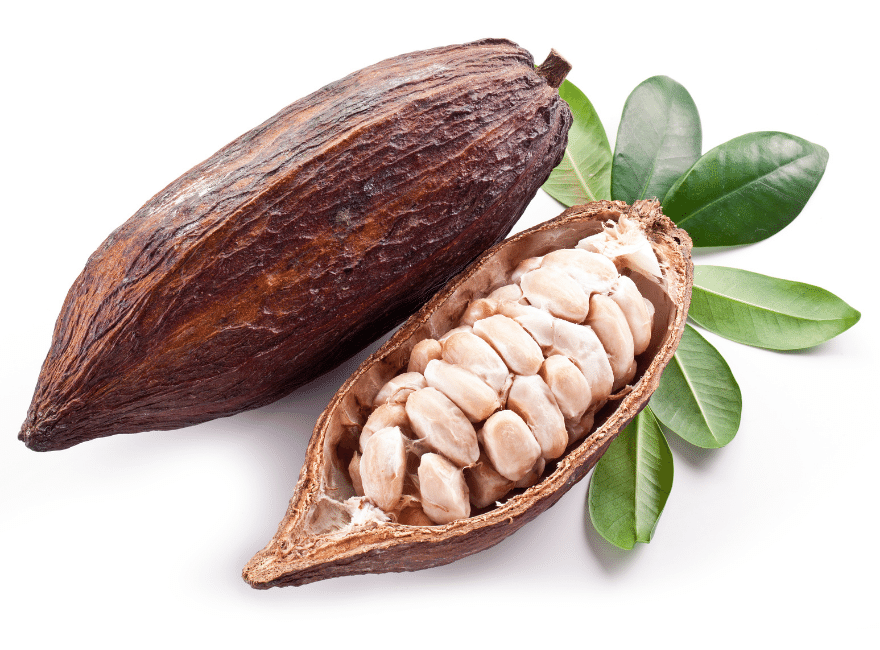
Cacao trees are native to Central America, and they look genuinely strange. The fruit doesn't grow at the end of branches — it grows directly out of the trunk, and seeing a large pod attached straight to the bark is disorienting the first time. This growth pattern is called cauliflory.
Cut one of those pods open and you'll find cacao beans packed inside, covered in white pulp. The pulp is sweet and fruity — nothing like chocolate at all.
The Flavour Comes from Fermentation
If you dry cacao beans straight after harvest, you don't get chocolate flavour. The beans first need to ferment alongside the pulp for 24 to 72 hours, and during that time yeast and bacteria break down the pulp, generating heat, and that heat and the resulting chemical reactions create the flavour precursors inside the bean.
What happens if you skip it? People who've roasted unfermented beans say the same thing: it just tastes bitter. The complex, layered flavour we associate with chocolate is built entirely in the fermentation stage.
The Moment Cacao Butter Separates
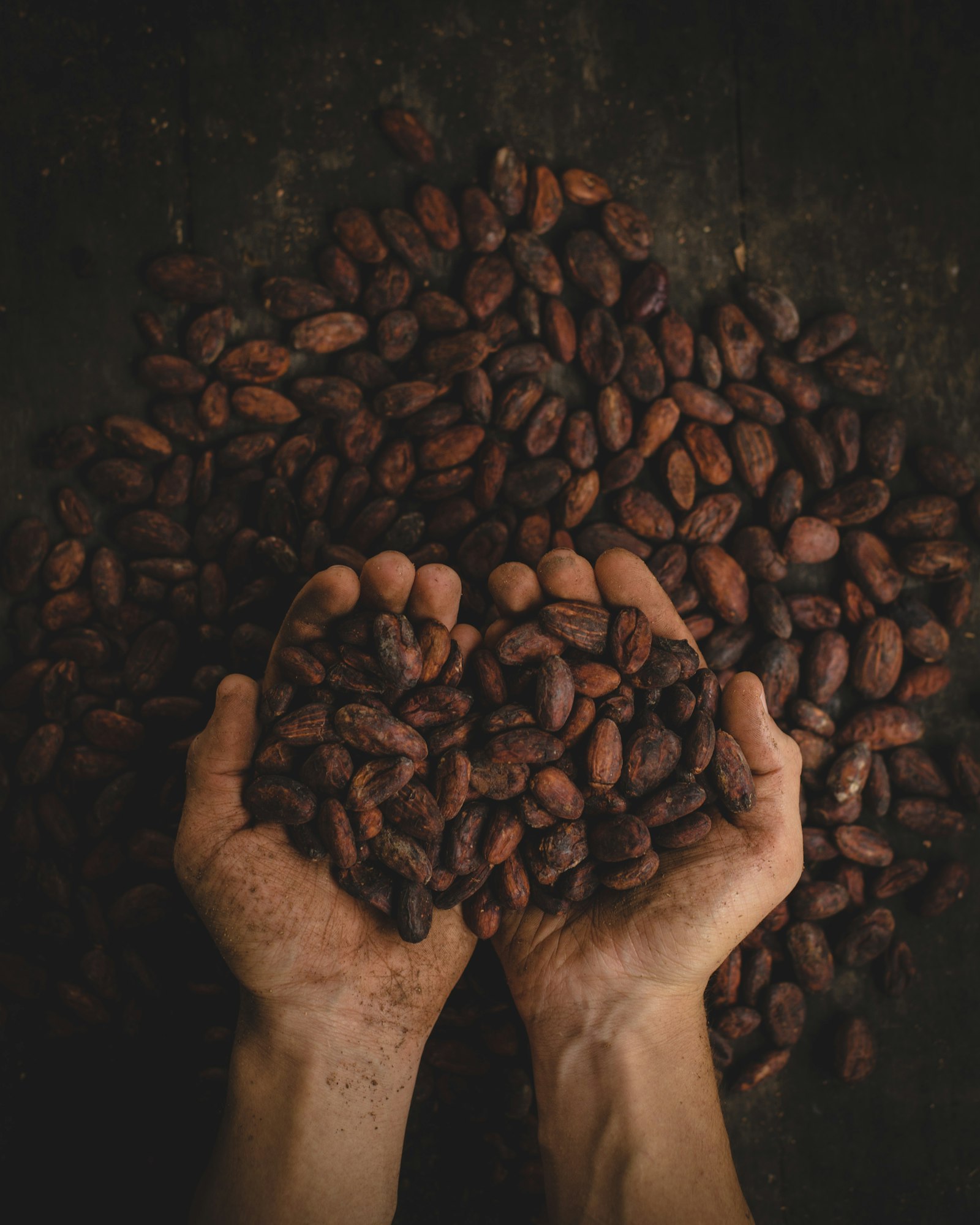
After fermentation, the dried beans are roasted, which makes the shells easy to remove and reveals the cacao nibs inside. Grind those down and you get cacao mass — a semi-solid paste that smells unmistakably like chocolate.
Press cacao mass under high pressure and it splits into two things: the fat — cacao butter — and the dry solid that becomes cacao powder. Different chocolate products come from different ratios of cacao butter added back in. In 1875, a Swiss chocolatier named Daniel Peter used condensed milk developed by Henri Nestlé to make the world's first milk chocolate. The difference between dark, milk, and white chocolate today is still just a matter of cacao content and cacao butter ratio.
Behind a single piece of chocolate is a process that takes weeks — from fermentation through pressing. Leave out just the fermentation step and the flavour we know wouldn't exist. Next time you eat a piece, some of that might come to mind.
Summary
So to put it simply: chocolate starts with a cacao pod and goes through fermentation, drying, roasting, and pressing before it becomes what we eat. Without fermentation, only bitterness remains. Without pressing, cacao butter never separates. Milk chocolate was invented in Switzerland in 1875 using condensed milk, and the dark-milk-white distinction we use today traces back to that same logic of ratios. Knowing the process makes it easier to see chocolate not as a simple snack but as the result of a long chain of steps — any one of which could have gone differently.
#Chocolate #Cacao #FoodScience #HowChocolateIsMade #CacaoButter #Fermentation #MilkChocolate #FoodEssay #FromBeanToBar #CacaoPod