Keywords: Impressionism, Impressionist painters | Date: 2026-05-22
You know that feeling when you stand in front of a painting and something about it just gets you, but you can't quite put it into words? Blurry yet warm, imprecise yet somehow alive. That's Impressionism.
And what's wild is that when these paintings first appeared, critics said they weren't even real art.
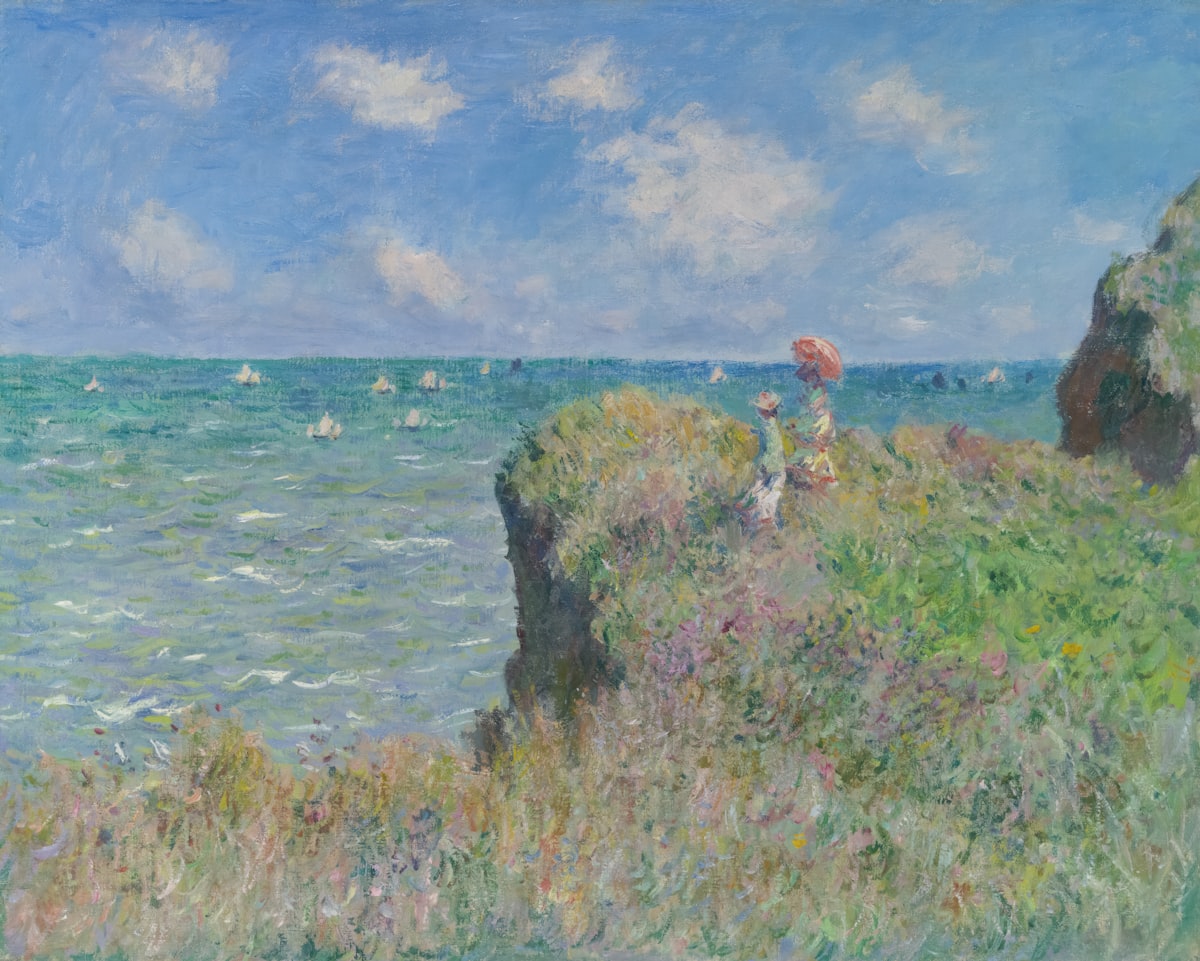
[Image: Impressionist painting (Source: Unsplash, free for commercial use)]
It Started With a Mockery
Paris, 1863. The Salon had an unusually harsh year. Of 5,000 submitted works, a staggering 3,000 were rejected.
Napoleon III stepped in and ordered the rejected works shown separately — the Salon des Refuses. Manet's Le Dejeuner sur l'herbe caused a sensation, and young artists pushing for a new kind of painting started finding each other.
In 1874, Monet, Renoir, Degas and others organized their own exhibition. Critic Louis Leroy mocked Monet's Impression, Sunrise as just an "impression." The insult became the movement's name.
How the Impressionists Actually Painted
Before Impressionism, painters worked indoors in dim studios. Shadows were brown and black, brushstrokes were smoothed to a flawless surface.
The Impressionists went outside — riverbanks, parks, cafe terraces. They painted with short, rough strokes to capture the feel of a moment, not a perfect representation.
Their biggest discovery: shadows aren't brown or black. They're the reflected colors of surrounding objects. Monet and Renoir figured this out painting together outdoors. That single insight transformed Western painting's palette.
Monet Chased Light. Renoir Painted People.
Monet painted Rouen Cathedral over and over — morning to evening, season to season. He wasn't documenting a building; he was recording how light played across it. His Water Lilies series works the same way. The light reflected in the water is the real subject.
Renoir turned toward people. In Bal du moulin de la Galette, people laugh and dance at an outdoor cafe, the canvas warm and radiant. He captured ordinary moments of happiness in saturated, natural light.
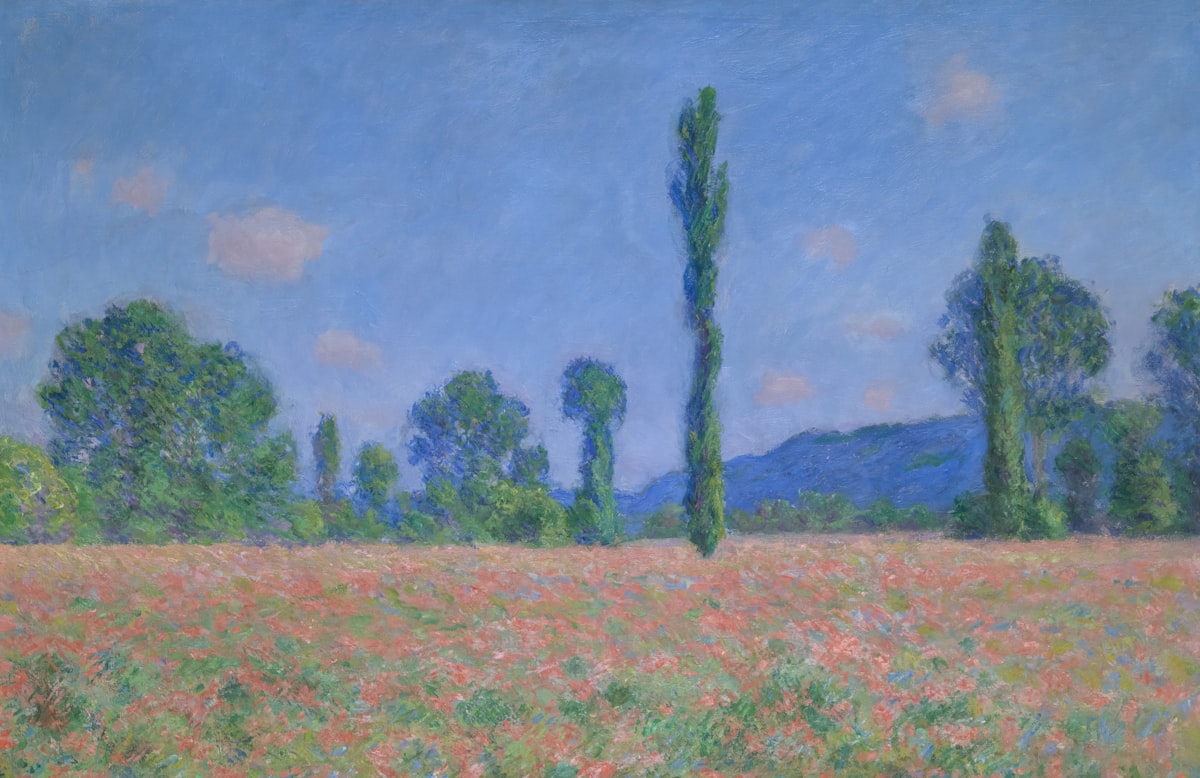
[Image: Impressionist art museum (Source: Unsplash, free for commercial use)]
Why Do We Still Love Impressionism So Much?
Paintings that were once mocked are now among the most expensive and beloved in the world.
Impressionism wasn't trying to be perfect. It said: "this is what I saw in this moment." That resonates more than photographic precision. A perfectly rendered portrait can feel cold. A laughing figure in afternoon light at a cafe pulls you in.
Without Impressionism, there's no Van Gogh, no Cezanne, no modern art as we know it.
----------------------------------------
How one painting made in the open air could shake an entire era. Next, let's talk about why Van Gogh painted with such thick paint.
#Impressionism #ImpressionistPainters #ClaudeMonet #Renoir #ImpressionismArt #ArtHistory #ModernArt #MonetPainting #ArtFacts #FineArt
'English Ver.' 카테고리의 다른 글
| If Bitcoin Is Gold, What Is Ethereum? (0) | 2026.05.25 |
|---|---|
| The Man Who Built Emotion into Paint — Van Gogh and Post-Impressionism (0) | 2026.05.25 |
| How Cells Copy DNA — The Replication Mechanism Explained Simply (0) | 2026.05.25 |
| You Don't Have to Buy Bitcoin Directly — A Complete Guide to Bitcoin ETFs (0) | 2026.05.25 |
| What Does DNA Actually Look Like? The Double Helix Explained (0) | 2026.05.25 |